In the interior design process, procurement is the structured step of purchasing, managing, and acquiring all of the furnishings, fixtures, materials, and accessories required to bring a design concept to life. It is the step that bridges the gap between creative vision and physical execution. Procurement is the behind-the-scenes system that ensures every piece gets on order, arrives on time, meets quality expectations, and fits within the project completion schedule. For interior designers, effective procurement protects the integrity of the design while minimizing costly overlooks, delays, errors, and stress throughout the project lifecycle.
Order Placement
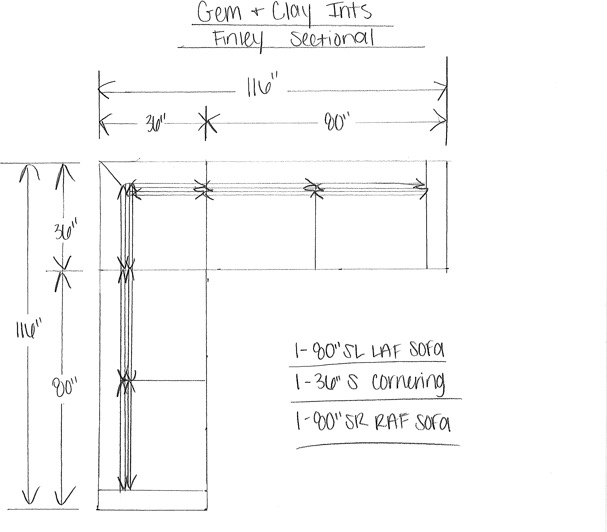 Order placement is the first critical step in the procurement process, and does not just involve placing orders. Once selections are approved, designers are responsible for confirming specifications such as dimensions, finishes, quantities, lead times, pricing, and vendor terms before placing orders. Accuracy from both the designer and procurement coordinator at this stage is essential; even small errors can result in long delays or expensive reorders. Once all important details are confirmed and deposits and payments are received from the client, the procurement coordinator begins to create purchase orders for every item we are ordering to send to all vendors we are ordering from. A purchase order includes all the important information such as product details- dimensions, item number, material, and finish, quantity, and receiving warehouse information. Once all purchase orders are created, they are then sent to each vendor, one by one, to confirm the order and submit payment. Once all purchase orders are sent, they are then organized by vendor and the date on which they were placed in a procurement schedule (basically a giant spreadsheet that keeps it all organized!). Utilizing purchase orders for order placement helps to not only ensure all orders get placed in a timely and organized manner, but also verifies production timelines, and ensures that orders align with the project’s installation and completion dates. A well-organized order placement process sets the foundation for smooth execution and helps avoid issues that can ripple through the rest of the project. For example, if a sofa is ordered with the wrong fabric or dimensions, it can delay installation for weeks and affect multiple trades. Careful order placement helps avoid these setbacks, prevents added costs, and keeps the project moving forward.

Tracking
After orders are placed, tracking becomes a vital ongoing task. The procurement coordinator monitors production progress, shipping schedules, and anticipated delivery dates for every item on the project within the procurement schedule. This involves consistent communication with vendors, manufacturers, and freight carriers to stay informed about potential delays or changes. Tracking allows designers to proactively adjust installation timelines, coordinate with contractors, and keep clients informed. In an industry where lead times can shift unexpectedly, diligent tracking helps prevent last-minute surprises and ensures that the project stays as close to schedule as possible.
Receiving and Inspection
Receiving and inspection are crucial moments in the procurement process, as they determine whether items arrive in acceptable condition and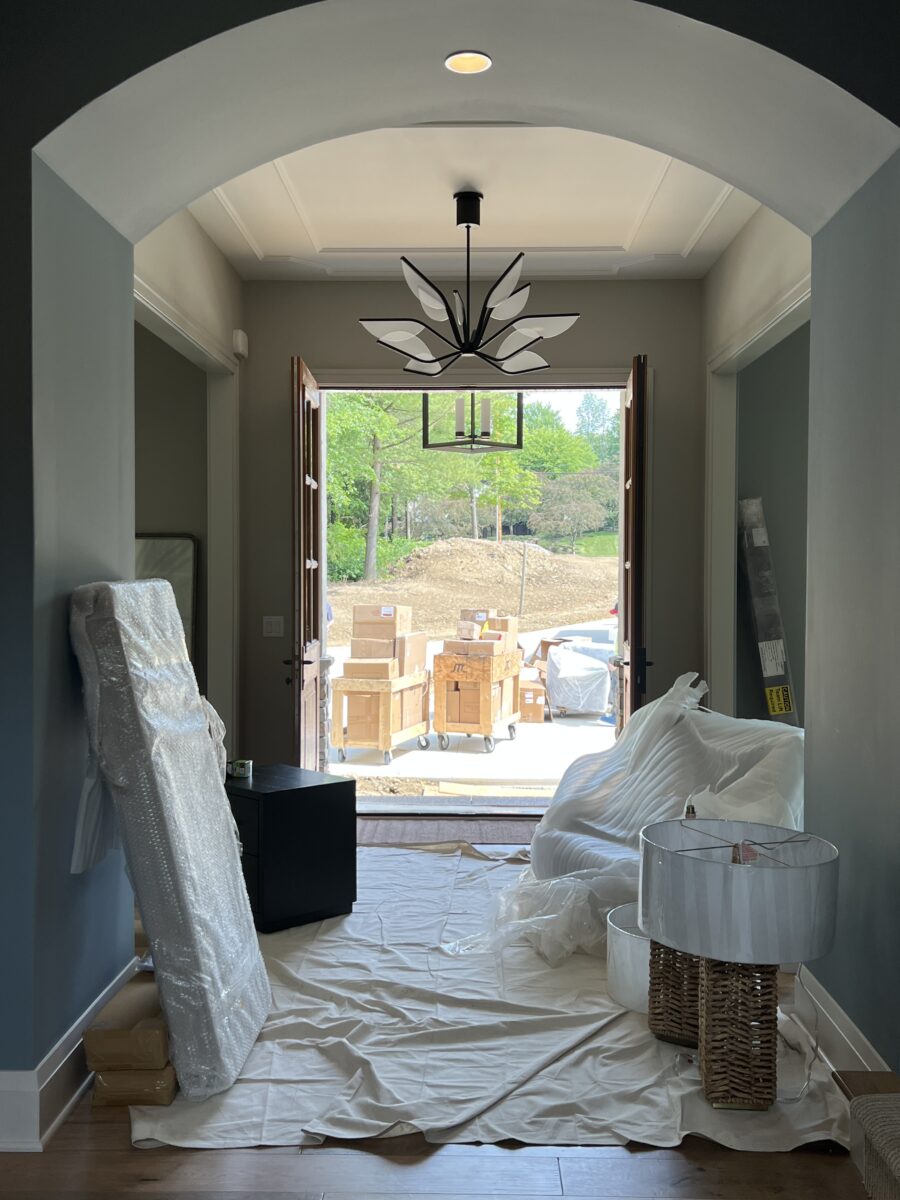 match what was ordered. Most items are delivered to a receiving warehouse. The receiving warehouse is responsible for receiving the items from the carriers (unloading them off of giant trucks) and storing them in a safe and controlled environment until the installation date. When items are received at the receiving warehouse, they first must be carefully checked against purchase orders and packing slips. Items are inspected for correct quantities, finishes, dimensions, and overall quality. Proper documentation, including photographs and condition reports, is then passed along from the receiving warehouse to us. Our procurement coordinator is then responsible for marking items as received or still in-bound, further ensuring the procurement schedule stays on track for installation. If an incorrect item arrives or a damage is found, documentation is received from the warehouse by the procurement coordinator, and the correct vendors are contacted for a resolution. Replacement items may then need to be sent, or tradespeople contacted for repairs. Thorough inspection upon receiving ensures that any issues are identified immediately, rather than discovered during installation when solutions are more costly and time-sensitive.
Damages
Damages are an unfortunate but common reality in interior design procurement, especially with freight shipments and custom pieces. When damage occurs, the procurement coordinator must act quickly to document the issue, notify vendors or carriers, and initiate claims or replacement requests. This process often requires detailed photographs, delivery paperwork, and written reports submitted within strict timeframes. The procurement coordinator also assesses how damages impact the project schedule and determine whether temporary solutions or substitutions are needed. If a replacement item cannot be sent in time or if damage occurred to a custom or one-of-a-kind piece, local tradespeople and craftsmen are sometimes contacted to make repairs or alternate solutions. Effective damage management protects the client’s investment and helps maintain momentum, even when unexpected setbacks arise.
Why Procurement Matters
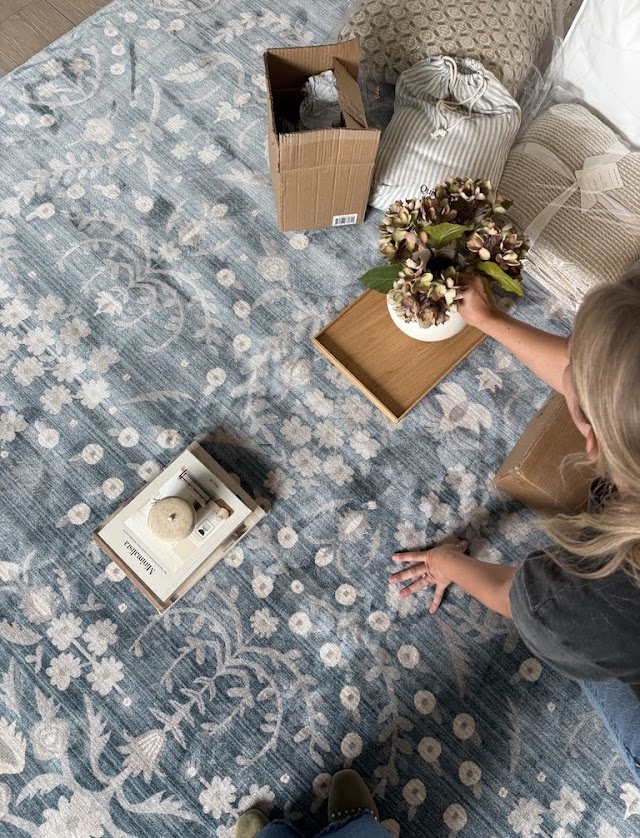 Procurement is far more than administrative work. It is a core responsibility of the design firm that directly affects the success of a project. While much of this work happens behind the scenes, it has a direct impact on your time, budget, and overall experience. Ultimately, strong procurement saves our clients time, energy, and frustration by managing the details that can otherwise become overwhelming and tedious. It also protects your investment by ensuring your space is completed with the right products, in the right condition, and at the right time, allowing you to enjoy the process and the finished result with confidence.
We are always happy to talk with you and answer any questions you may have about our design process at Gem and Clay Interiors. Give us a call, leave us a message or question in our contact form, and follow us on Instagram to see what we’re currently working on.
If you are ready to start your design journey, Book your Discovery Call with us today. We can’t wait to talk with you!